
What is Orthodontics? Complete Guide to Orthodontic Treatment, Specialists, and Costs
Ever noticed how some people seem to have naturally perfect smiles while others struggle with crowded, crooked, or gapped teeth? That’s where orthodontics comes in. This specialized field of dentistry goes way beyond just straightening teeth–it’s about fixing bite problems, aligning jaws, and improving your overall oral health. If you’re thinking about braces for yourself or someone in your family, getting the full picture of what orthodontics actually involves makes the whole decision a lot easier.
Quick Summary: Essential Facts About Orthodontics
- What is orthodontics? A dental specialty focused on correcting misaligned teeth and bite problems through braces, aligners, and other appliances.
- How much does orthodontic treatment cost? Treatment typically ranges from $3,000 to $8,000 depending on complexity and method chosen.
- How long does treatment take? Most orthodontic treatments last 12 to 36 months, with retention required afterward.
- What are the main treatment options? Traditional metal braces, ceramic braces, lingual braces, and clear aligners like Invisalign are common choices.
- Who can benefit from orthodontic care? Both children and adults can receive orthodontic treatment at nearly any age.
- Why is a retainer necessary? Dental orthodontic retainers maintain results after treatment by preventing teeth from shifting back to original positions.
Understanding Orthodontics: More Than Just Straight Teeth
Here’s what most people don’t realize: orthodontics isn’t just about creating Instagram-worthy smiles. Sure, straight teeth look great. But the real work happens with jaw alignment, facial growth patterns, and bite correction. The word “orthodontics” comes from Greek words meaning “straight teeth,” but modern orthodontists tackle problems that go much deeper than surface appearance.
Think about it this way. When your teeth fit together properly, you’re not just getting aesthetic benefits. You’re making it easier to brush and floss effectively, which means less risk of tooth decay and gum disease. Plus, fixing bite issues can actually relieve jaw pain, reduce abnormal tooth wear, and improve how you speak and chew. It’s functional medicine that happens to make you look better too.
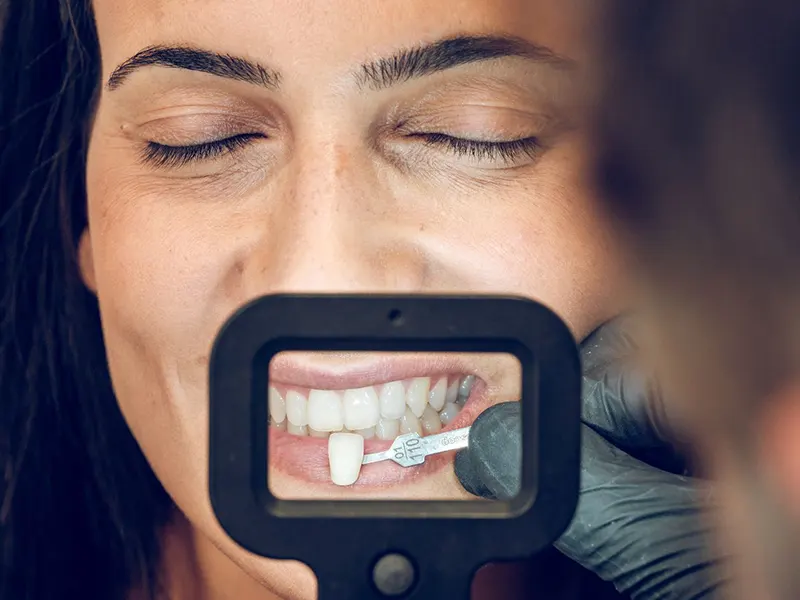
Here’s what orthodontic treatment typically addresses:
- Crowded or widely spaced teeth that trap food and bacteria
- Overbites, underbites, and crossbites causing jaw strain
- Jaw misalignment that affects facial symmetry
- Bite problems interfering with chewing or speaking
- TMJ issues stemming from improper tooth positioning
What Do Orthodontic Specialists Do?
Orthodontic specialists aren’t just dentists who decided to focus on braces one day. They’ve gone through years of additional training specifically to understand tooth movement, facial development, and the biomechanics of how everything in your mouth works together. They’re the ones who can look at an X-ray and see not just where your teeth are now, but where they’ll shift over the next two years.
How Much Training Do Orthodontic Specialists Receive?
The path to becoming an orthodontist is pretty intense. After four years of dental school (which is already demanding), they complete another two to three years focused exclusively on orthodontics. During that residency, they’re hands-on with actual patients, learning advanced techniques and working with cutting-edge technology. By the time they’re done, they’ve logged thousands of hours diagnosing complex cases and planning precise tooth movements.
What Makes an Orthodontist Different from a General Dentist?
Your general dentist handles routine cleanings, fillings, and overall oral health. They’re amazing at what they do. But when it comes to moving teeth and correcting bites, that’s where orthodontic specialists shine. They use 3D imaging, digital modeling, and biomechanical analysis that most general practices don’t have. For comprehensive care, many patients combine their orthodontic work with regular professional teeth cleaning services to keep everything in top shape.
What Dental Problems Does Orthodontic Treatment Address?
Orthodontists deal with conditions called malocclusions–basically, when your teeth don’t fit together the way they should. Left untreated, these issues can lead to serious problems down the road. Worn enamel. Jaw pain. Even headaches.
What Are the Most Common Types of Malocclusion?
Crowding happens when there’s not enough room in your jaw for all your teeth, causing them to overlap or twist at weird angles. Spacing issues are the opposite–gaps between teeth that collect food particles and affect appearance. An overbite means your upper front teeth stick out too far over your lower teeth (sometimes called “buck teeth”). Underbite is when your lower teeth jut out beyond your upper teeth, giving a bulldog appearance. Crossbite occurs when upper teeth bite inside lower teeth instead of outside. And an open bite? That’s when your upper and lower teeth don’t even meet when you close your mouth.
How Do Orthodontists Diagnose These Issues?
Diagnosis starts with a thorough exam that includes:
- Close examination of your teeth, jaws, and facial structure
- Digital X-rays showing tooth roots and bone density
- Photos from multiple angles to track changes
- Either physical impressions or digital scans for 3D models
- Bite analysis measuring how your jaws actually function
What Are the Benefits of Orthodontic Treatment?
Let’s be honest–everyone wants a great smile. But orthodontic treatment delivers benefits that last way longer than your Instagram post. We’re talking genuine health improvements that protect your teeth for decades.
Does Orthodontic Treatment Improve Oral Health?
Absolutely. Straight teeth are exponentially easier to clean. When teeth are properly aligned, your toothbrush and floss can actually reach all the surfaces where plaque builds up. That means fewer cavities, healthier gums, and less chance of losing teeth as you age. Beyond that, correcting bite problems prevents your teeth from wearing down unevenly. When your bite distributes force properly, you’re not grinding away enamel on just a few teeth while others barely touch.
Can Orthodontics Help with Jaw Pain and TMJ Issues?
This is huge for many patients. Misaligned teeth force your jaw into unnatural positions, straining muscles and joints every time you chew or talk. After orthodontic treatment, many people report significant relief from chronic jaw pain, fewer tension headaches, and less clicking or popping in their jaw joints. Your temporomandibular joint (TMJ) finally gets to work the way it’s supposed to, without constant stress.
Who Can Benefit from Orthodontic Treatment?
Here’s a myth worth busting: braces aren’t just for teenagers. Kids, adults, even seniors can benefit from orthodontic care. Age matters less than you’d think when it comes to moving teeth.
Is Orthodontic Treatment Only for Teenagers?
Not even close. About one in three orthodontic patients today is an adult. Some missed out on treatment as kids. Others had braces once but didn’t wear their retainers (we’ll get to that later). And many adults seek orthodontic care before getting other dental work done–like dental implants–to ensure everything’s positioned correctly. With clear aligners and tooth-colored braces, you can straighten your teeth without looking like you’re headed back to eighth grade.
When Should Children First See an Orthodontic Specialist?
The American Association of Orthodontists recommends age seven for that first evaluation. By then, enough permanent teeth have come in to spot potential problems with jaw growth and tooth development. Now, an evaluation doesn’t mean immediate braces. Often it’s just establishing a baseline and monitoring growth. But some conditions–like severe crossbites or jaw discrepancies–really do benefit from early intervention while bones are still developing.
What Is the Cost of Orthodontic Braces and Treatment?
Money talk. Let’s get into it. Orthodontic treatment represents a significant investment, and costs vary widely depending on several factors. But understanding the numbers helps you plan realistically.
What Factors Affect the Cost of Orthodontic Braces?
Several things influence your final bill:
- How severe and complex your case is
- Which type of appliance you choose (metal braces vs. clear aligners vs. ceramic braces)
- How long treatment takes and how many appointments you need
- Where you live–costs in major cities typically run higher
- The orthodontist’s experience and practice reputation
- Whether you need additional procedures like tooth extractions or jaw surgery
Traditional metal braces usually run between $3,000 and $7,000. Clear aligner systems like Invisalign generally cost $4,000 to $8,000. Complex cases requiring surgical intervention can exceed these ranges.
Does Insurance Cover Orthodontic Treatment?
Many dental insurance plans include orthodontic coverage, especially for kids under 18. Coverage typically contributes $1,000 to $3,000 toward treatment costs. But here’s the catch–policies vary dramatically. Some exclude orthodontics entirely. Others only cover treatment deemed medically necessary rather than cosmetic. You’ll want to review your specific policy details before committing to treatment. Some employers offer supplemental orthodontic insurance that boosts coverage significantly.
Are Payment Plans Available for Orthodontic Care?
Most orthodontic practices offer flexible payment options because they understand this isn’t pocket change. Typical arrangements involve a down payment followed by monthly installments spread over your treatment duration. Many practices provide interest-free financing, so you’re not paying extra on top of treatment costs. Third-party financing companies also offer longer-term plans with various interest rates if you need more time to pay.
Traditional Metal Braces: The Foundation of Orthodontic Treatment
Metal braces remain the most common orthodontic treatment method. They’re tried, tested, and cost-effective. These appliances consist of metal brackets bonded to each tooth, connected by archwires that gradually guide teeth into proper position.
How Do Traditional Braces Work?
The concept is simple but brilliant. Braces apply continuous, gentle pressure to teeth, slowly moving them through bone over time. At regular appointments, your orthodontist adjusts the tension on those archwires, progressively shifting teeth toward their ideal spots. Small elastic bands (called ligatures) hold the wire to each bracket–and yes, you can customize these with different colors. Today’s braces are smaller, more comfortable, and way more efficient than the clunky metal monsters your parents might remember.
What Is the Average Treatment Duration with Braces?
Most patients wear traditional braces for 18 to 24 months. Simple corrections might wrap up in just 12 months. Complex cases could extend to 36 months or longer. Several factors affect timeline: how severe the misalignment is, your age (younger patients often respond faster), and how well you follow care instructions. Adolescents typically complete treatment faster than adults because their bones are still growing and more responsive to movement.
Invisalign and Clear Aligner Orthodontics: Modern Alternatives
Invisalign aligner orthodontics changed the game by offering a virtually invisible alternative to traditional braces. This system uses custom-made, clear plastic aligners to gradually shift teeth into alignment–and most people won’t even notice you’re wearing them.
How Does Invisalign Aligner Orthodontics Work?
The process starts with digital impressions of your teeth, which create a detailed 3D treatment plan. Advanced software maps out every tiny movement needed to achieve perfect alignment. Based on that plan, a series of custom aligners gets manufactured–each one slightly different from the last. You wear each aligner set for about two weeks before moving to the next. Each aligner applies controlled forces to specific teeth, gradually nudging them into position according to your personalized treatment plan.
What Are the Advantages of Clear Aligners Over Traditional Braces?
Clear aligners offer several compelling benefits:
- Nearly invisible appearance–most people won’t notice them
- Removable for eating, brushing, and special occasions
- No dietary restrictions whatsoever
- Much easier to maintain good oral hygiene
- Fewer office visits needed for adjustments
- Generally more comfortable without metal brackets poking your cheeks
Who Is a Good Candidate for Invisalign Aligner Orthodontics?
Invisalign aligner orthodontics works great for treating mild to moderate crowding, spacing issues, and certain bite problems. The technology has advanced dramatically and can now handle many complex cases that previously required traditional braces. However, severe malocclusions, significant jaw discrepancies, or cases needing precise vertical tooth movement may still need conventional braces. The best candidates are disciplined patients who’ll commit to wearing aligners 20-22 hours daily. Skip that, and you won’t see results.
What Is the Cost Difference Between Invisalign and Traditional Braces?
Invisalign aligner orthodontics typically costs a bit more than traditional metal braces–usually $4,000 to $8,000. The price difference reflects the advanced technology, custom manufacturing process, and convenience factors. But many patients find the aesthetic and lifestyle benefits worth every penny. Good news: insurance coverage for Invisalign is often comparable to coverage for traditional braces, which helps close that cost gap.
The Dental Orthodontic Retainer: Maintaining Your Results
Here’s where many people mess up. The dental orthodontic retainer isn’t optional–it’s absolutely critical for maintaining your results long-term. Too many patients think treatment ends when braces come off. Wrong. The retention phase is just as important.
Why Is a Dental Orthodontic Retainer Necessary After Treatment?
Teeth have memory. Seriously. They naturally want to drift back toward their original positions after orthodontic treatment–a phenomenon called relapse. Your dental orthodontic retainer prevents this by holding teeth in their new positions while surrounding bone and soft tissue stabilize. Without consistent retainer wear, you can lose years of orthodontic work within just a few months. The retention phase gives bone around tooth roots time to remodel and strengthen, creating a stable foundation.
What Types of Dental Orthodontic Retainers Are Available?
Several retainer types serve different needs. Removable retainers, typically made from clear plastic or acrylic with wire components, come out for eating and cleaning. Fixed retainers consist of thin wires bonded to the back surfaces of teeth–permanent retention without requiring you to remember anything. Some orthodontists recommend combining both: fixed retainers on lower front teeth, removable retainers on upper teeth. Clear plastic retainers similar to Invisalign aligners offer an aesthetic option that’s comfortable and practically invisible.
How Long Should You Wear a Dental Orthodontic Retainer?
Initial retainer wear typically means full-time use (except during meals) for the first three to six months. After that stabilization period, many patients switch to nighttime-only wear. But here’s the current wisdom: “retainers for life” has become the gold standard in modern orthodontics. Wearing your retainer a few nights weekly indefinitely maintains results throughout your lifetime. It’s a small commitment that protects a major investment.
Other Orthodontic Appliances and Treatment Options
Beyond braces and aligners, orthodontic specialists use various specialized devices to address specific problems and prep your mouth for comprehensive treatment.
What Are Palatal Expanders and When Are They Used?
Palatal expanders gradually widen the upper jaw, creating additional space for crowded teeth and correcting crossbites. These devices work best in children and young teenagers whose jaw bones haven’t fully fused yet. The expander attaches to upper molars and contains a screw mechanism that gets turned gradually over several weeks, applying gentle outward pressure. Expansion therapy can eliminate the need for tooth extractions and create better facial proportions overall.
When Is Headgear Required for Orthodontic Treatment?
Headgear corrects severe bite discrepancies by influencing jaw growth direction in growing patients. While less common than in previous decades, headgear still proves valuable for specific cases involving significant overbites or underbites. Modern designs are more comfortable and less conspicuous than older versions. Most patients wear headgear during evening hours and while sleeping, so daytime appearance isn’t really an issue.
What Is Surgical Orthodontics and Who Needs It?
Surgical orthodontics (also called orthognathic surgery) combines orthodontic treatment with corrective jaw surgery to address severe skeletal discrepancies. This approach benefits patients whose jaw size or position differences are too significant to correct with braces alone. Common conditions treated include severe underbites, overbites, facial asymmetry, and obstructive sleep apnea related to jaw position. Treatment involves pre-surgical orthodontics to align teeth, followed by surgery to reposition jaw bones, then post-surgical orthodontics to finalize everything.
What to Expect During Your Orthodontic Treatment Journey
Understanding the treatment process helps you prepare mentally and practically. While specifics vary by case, most treatment journeys follow a similar pattern.
How Does the Initial Consultation Work?
That first appointment involves a comprehensive examination where the orthodontic specialist evaluates your teeth, jaws, and facial structure. They’ll collect diagnostic records–X-rays, photographs, and either impressions or digital scans–to analyze your case thoroughly. Then comes the discussion: findings, recommended treatment approaches, estimated duration and cost, and answers to all your questions. This consultation gives you everything needed to make an informed decision about moving forward.
What Happens During Regular Adjustment Appointments?
If you have traditional braces, expect visits every four to eight weeks for adjustments. During these appointments, your orthodontist evaluates progress, replaces or adjusts archwires, changes elastic bands, and makes necessary tweaks to keep tooth movement on track. These visits usually last 15-30 minutes and give you a chance to voice concerns or report discomfort. Invisalign patients have less frequent appointments–typically every six to eight weeks–mainly to pick up new aligner sets and check progress.
How Can You Care for Your Teeth During Orthodontic Treatment?
Maintaining excellent oral hygiene during orthodontic treatment prevents cavities and gum problems:
- Brush thoroughly after every meal using a soft-bristled toothbrush
- Use fluoride toothpaste and consider fluoride rinses for extra protection
- Floss daily using floss threaders or orthodontic flossers designed for braces
- Avoid hard, sticky, or chewy foods that can damage brackets or wires
- Keep up with regular dental cleanings and checkups throughout treatment
- Wear protective mouthguards during any sports activities
Are There Risks or Side Effects of Orthodontic Treatment?
Orthodontic treatment is generally safe and predictable, but you should know about potential risks and side effects. Most complications are minor and easily managed with proper care and good communication with your orthodontist.
Common temporary side effects include mild discomfort after adjustments, slight difficulty speaking initially (especially with certain appliances), and increased tooth sensitivity to hot or cold. More serious but rare risks involve root resorption (tooth roots getting shorter), tooth decay from inadequate hygiene, and allergic reactions to orthodontic materials. If you have pre-existing gum disease, get it treated before starting orthodontics. Following your orthodontist’s instructions carefully and maintaining excellent oral hygiene significantly reduces all these risks.
How to Choose the Right Orthodontic Specialist
Picking an orthodontic specialist is a big decision that affects both your treatment experience and final results. Several factors should guide your choice beyond simple convenience or cost.
Important considerations include:
- Verification of orthodontic specialty certification and credentials
- Years of experience treating cases similar to yours
- Range of treatment options offered and technology available
- Office atmosphere, staff friendliness, and communication style
- Financial policies, payment plans, and insurance acceptance
- Patient reviews and testimonials from previous cases
- Convenient location and flexible appointment availability
Schedule consultations with multiple orthodontists to compare approaches, costs, and your overall comfort level. Trust your instincts about which practice feels right. For comprehensive dental care alongside orthodontic treatment, consider practices offering multiple specialties–like those providing dental bridge solutions for missing teeth.
Ready to Transform Your Smile with Expert Orthodontic Care?
Understanding what orthodontics offers empowers you to take that next step toward a healthier, more confident smile. Whether you’re considering treatment for yourself or a family member, the benefits go way beyond aesthetics. Better oral health. Enhanced self-esteem. Protection against future dental problems.
Modern orthodontics provides more options than ever before, with solutions tailored to every age, lifestyle, and budget. Advanced technologies make treatment faster, more comfortable, and more predictable than previous generations experienced. Your journey to a beautiful smile starts with a simple consultation where you can explore possibilities, ask questions, and develop a personalized treatment plan that actually fits your life.
Don’t let concerns about cost, appearance, or time commitment hold you back from achieving the smile you deserve. Today’s orthodontic specialists understand these worries and work with patients to find real solutions that fit individual circumstances. Many practices offer flexible financing, discreet treatment options, and efficient protocols that minimize disruption to daily routines.
Take that first step toward your orthodontic transformation by scheduling a consultation with a qualified specialist. Visit our dental resources to explore more information about achieving optimal oral health through professional orthodontic care.
FAQ on Orthodontics
| Question | Answer |
|---|---|
| What age is best to start orthodontic treatment? | Children should have their first orthodontic evaluation by age seven. However, orthodontic treatment can be successful at any age, and approximately one-third of orthodontic patients are adults. |
| How often do I need to visit the orthodontist during treatment? | Patients with traditional braces typically visit every 4-8 weeks for adjustments. Invisalign patients usually have appointments every 6-8 weeks to monitor progress and receive new aligners. |
| Will orthodontic treatment hurt? | Most patients experience mild discomfort for a few days after getting braces or adjustments. This soreness is temporary and can be managed with over-the-counter pain relievers and soft foods. |
| Can I play sports with braces? | Yes, you can participate in sports while wearing braces. A protective mouthguard specifically designed for orthodontic patients is strongly recommended to prevent injuries to teeth and soft tissues. |
| What foods should I avoid with braces? | Avoid hard foods (nuts, hard candy), sticky foods (caramel, gum), and chewy foods (bagels, tough meats) that can damage brackets or wires. Cut corn off the cob and avoid biting directly into apples or carrots. |
| How much do orthodontic braces cost? | Traditional metal braces typically cost $3,000-$7,000, while clear aligners range from $4,000-$8,000. Actual costs vary based on treatment complexity, geographic location, and insurance coverage. |
| What happens if I don’t wear my retainer? | Teeth will gradually shift back toward their original positions without consistent retainer wear. This relapse can occur within months and may require additional orthodontic treatment to correct. |
| Are clear aligners as effective as traditional braces? | Clear aligners effectively treat many cases, including mild to moderate crowding and spacing issues. However, complex cases involving severe misalignment or significant jaw discrepancies may still require traditional braces. |
| Will my teeth stay straight forever after orthodontic treatment? | Teeth naturally tend to shift throughout life, which is why lifelong retainer wear (even just a few nights weekly) is recommended. Consistent retainer use maintains treatment results indefinitely. |