
What is Orthodontics? Complete Guide to Orthodontic Treatment, Costs, and Specialists
Summary
- What is orthodontics and how does it improve dental health beyond cosmetic benefits?
- What training do orthodontic specialists complete and how do they differ from general dentists?
- What types of orthodontic treatment options are available, from traditional braces to clear aligners?
- How long does orthodontic treatment take and what factors affect the duration?
- What is the cost of orthodontic braces and what influences the overall treatment expense?
- Why are dental orthodontic retainers essential for maintaining long-term results after treatment?
My jaw clicked every time I yawned. Not occasionally — every single time. Turns out my bite was off by three millimeters, which doesn’t sound like much until you realize those three millimeters were grinding down my molars unevenly and causing tension headaches three times a week. Orthodontics fixes these problems. It’s the dental specialty focused on straightening teeth and correcting jaw alignment, and while everyone notices the cosmetic improvements, the functional benefits matter more. Crooked teeth are nearly impossible to clean properly. Food gets trapped in overlapping areas where your toothbrush can’t reach. Your bite distributes forces unevenly, wearing down certain teeth faster than others. Some people develop speech issues or chronic jaw pain. Orthodontic treatment repositions everything so your teeth meet correctly, chew efficiently, and stay healthy longer. The straight smile is real, but it comes with mechanical advantages that protect your teeth for decades.
Orthodontics addresses what dentists call malocclusion — teeth that don’t meet up correctly when you close your mouth. The field has changed dramatically since the days of bulky metal braces. Digital imaging now predicts exactly how teeth will respond to treatment before you ever get brackets on. Treatment handles crowding where teeth overlap and twist, gaps from missing teeth or genetics, overbites that make front teeth protrude awkwardly, underbites where the lower jaw juts forward, crossbites that throw off your entire bite pattern, and open bites where front teeth never touch. Left untreated, these problems compound — worn enamel, chronic headaches, inflamed gums no matter how much you floss. Fixing alignment improves daily comfort and long-term dental health in ways most people don’t anticipate until afterward.
Who are Orthodontic Specialists?
What Training Do Orthodontists Complete?
Becoming an orthodontist requires four years of dental school followed by another two to three years in an orthodontic residency program. During residency, future orthodontists study nothing but tooth movement and facial development. They dissect how faces grow, how teeth respond to different types of pressure over months, and how to design treatment plans that hold up long-term. The curriculum covers X-ray interpretation, digital treatment simulations, and hands-on work with every type of appliance imaginable. Residents treat real patients with all kinds of alignment problems — straightforward cases, nightmare situations, everything in between.
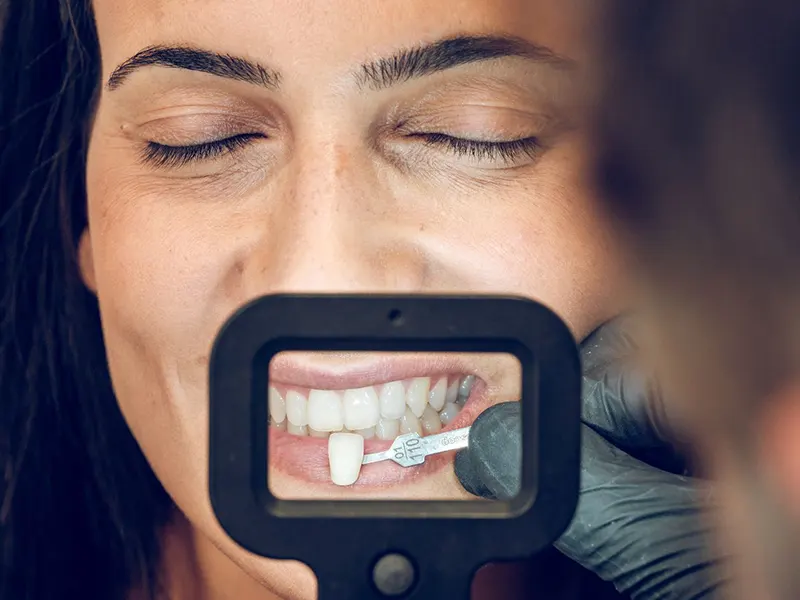
Some orthodontists pursue board certification through the American Board of Orthodontics afterward. That’s voluntary but rigorous. It requires passing comprehensive written and clinical exams plus submitting actual patient cases for peer review. This level of training explains why orthodontists can handle cases that would stump a general dentist. They’ve evaluated thousands of smiles and developed an eye for subtle problems that might not seem obvious at first glance.
How Do Orthodontic Specialists Differ from General Dentists?
Your regular dentist keeps your teeth healthy — fillings, cleanings, crowns, root canals when necessary. Orthodontists focus exclusively on alignment and bite correction. That narrow specialization means they’ve seen every variation of crooked teeth and know how to handle severe crowding, complex bite relationships, and cases where jaws don’t grow proportionally.
Some general dentists offer basic orthodontic services, which works fine for straightforward cases. But tricky situations benefit from someone who does this all day, every day. Orthodontists stay current with continuing education specific to their field — new techniques, materials, digital tools. They can predict how teeth will respond to treatment and adjust plans when things don’t go exactly as expected. Many dental practices work collaboratively. Your regular dentist might send you to an orthodontic specialist for braces while continuing your routine cleanings and fillings.
What Problems Does Orthodontic Treatment Address?
Common Bite Issues and Misalignments
Orthodontists see all kinds of tooth and jaw problems, each requiring a different approach. Overcrowding happens when there’s not enough room in your jaw, so teeth overlap, twist, or erupt in odd positions. Spacing issues create gaps between teeth from missing teeth, naturally small tooth size, or a large jaw relative to tooth size. Overbites make upper front teeth stick way out over the bottom teeth — sometimes touching your lower gums when you bite down. Underbites occur when lower teeth jut past the upper teeth, usually because the lower jaw overgrew or the upper jaw didn’t develop enough. Crossbites mean upper teeth fit inside the lower teeth when you close, which can affect one tooth or several and throws off your whole bite. Open bites leave front teeth that don’t touch when back teeth close, creating a visible gap that affects biting and speech.
What are the Health Benefits Beyond Aesthetics?
Nobody pretends straight teeth don’t look better. But the functional benefits matter more in the long run. When your bite works properly, teeth wear evenly instead of grinding down in random spots. That prevents sensitivity, reduces fracture risk, and means your teeth last longer. A proper bite also removes strain from your jaw joints, which can prevent chronic headaches and TMJ disorders that become hell to treat once they develop.
Cleaning becomes dramatically easier. Your toothbrush and floss can reach every surface instead of getting blocked by overlapping teeth. That cuts down on cavities and gum inflammation — problems that get expensive fast. Speech improves when your tongue and teeth are positioned correctly for forming sounds. And mental health matters here. Feeling confident about your smile changes how you interact with people, how you present yourself at work, and how you feel when you look in the mirror. That’s worth something real.
Who Needs Orthodontic Treatment?
What Age Should You Start Orthodontic Care?
The American Dental Association recommends kids get their first orthodontic evaluation around age seven. That timing coincides with the first permanent molars coming in, which gives the orthodontist a clear picture of how the bite is developing and whether the jaws are growing proportionally. Not every seven-year-old needs immediate treatment — most don’t. But early evaluation catches problems that are easier to address while kids are still growing.
Some issues benefit from early intervention between ages seven and ten. Guiding jaw growth, creating space for incoming teeth, addressing harmful habits like thumb sucking — these interventions can reduce the need for extensive work later. Sometimes early treatment means avoiding tooth extractions down the road. Most kids get full braces during their teenage years, when most permanent teeth have erupted and facial growth is still active. That’s the ideal window for comprehensive treatment.
Can Adults Benefit from Orthodontic Treatment?
One in four orthodontic patients is now over eighteen. Adults pursue treatment for various reasons — lifelong alignment issues they never addressed as kids, teeth that shifted after earlier treatment because they didn’t wear their retainers, or bite problems causing chronic pain that finally became unbearable.
Adults get excellent results. Treatment might take slightly longer since bones are fully mature and don’t remodel as quickly as a teenager’s. But clear aligners and tooth-colored braces let you straighten your teeth without the middle school aesthetic. Adult cases sometimes require coordination with other dental specialists, especially if you need restorative work or have gum disease that needs treating first. Age doesn’t disqualify you. As long as your gums and supporting bone are healthy, you’re a candidate.
What are the Different Types of Orthodontic Treatment?
Traditional Fixed Braces: How Do They Work?
Traditional braces remain the most versatile option for complex alignment problems. Modern versions are smaller and more comfortable than what your parents remember. The system includes brackets bonded to each tooth — available in stainless steel, ceramic, or composite materials. Archwires thread through the brackets and apply controlled pressure to move teeth gradually. Ligatures are tiny rubber bands or metal ties holding the wire to each bracket. You can pick fun colors if you want. Bands are metal rings cemented around back molars for extra anchoring strength. Springs and elastics help with specific movements like rotating teeth or correcting your bite.
Every four to eight weeks, you visit for adjustments — changing wires, replacing elastics, tweaking components as your teeth respond. Newer self-ligating brackets eliminate those little rubber bands, which can mean shorter appointment times while still delivering precise control over tooth movement.
Invisalign Aligner Orthodontics: What Makes Clear Aligners Different?
Clear aligners work on a completely different principle than braces. Instead of permanent brackets and wires, you wear a series of custom-made removable plastic trays that gradually nudge your teeth into position. Your orthodontist uses digital software to map out every stage of treatment — you can see a simulation of how your teeth will move over time before you start.
You wear each set of aligners for one to two weeks, then switch to the next set in the series. This approach handles mild to moderate crowding, spacing issues, and bite problems effectively. The catch is you have to wear them. Aligners need to stay in your mouth 20-22 hours daily to work. Taking them out for every snack derails progress. Small tooth-colored attachments bonded to certain teeth give the aligners extra grip for tougher movements. Recent advances have expanded what clear aligners can tackle, including some cases that previously required traditional braces.
What are the Advantages of Invisalign Aligner Orthodontics?
Clear aligners are nearly invisible — most people won’t notice you’re straightening your teeth unless they’re staring directly at your mouth. They’re removable, which means no food restrictions and much easier brushing. The smooth plastic doesn’t poke your cheeks or stab your lips like metal brackets sometimes do. Digital treatment simulation shows expected results before you start. There are fewer emergencies — no broken brackets or protruding wires requiring urgent fixes. Some systems allow longer intervals between office visits, which helps with busy schedules.
What is a Dental Orthodontic Retainer?
Retainers hold your teeth in their new positions while the bone and surrounding tissues stabilize. You’ve got two main types: fixed and removable. Fixed retainers are thin wires bonded permanently behind your front teeth. They work 24/7 without you having to remember anything. Removable retainers use clear plastic or a combination of acrylic and metal wire. You wear them according to a schedule that typically starts with full-time wear and gradually transitions to nighttime only.
Which type you get depends on your specific case, your lifestyle preferences, and what your orthodontist recommends. Some people get both — a fixed retainer on the bottom where teeth tend to shift more, and a removable one on top.
Why are Dental Orthodontic Retainers Essential After Treatment?
Teeth want to shift throughout your life. Factors like continuing facial growth, aging, and daily forces from chewing and talking all contribute to movement. Without a retainer, your teeth can drift back toward their original positions — partially or completely undoing years of work. That’s heartbreaking and expensive.
The first few months after getting your braces off are critical. The bone is still remodeling around your teeth, and soft tissues are adapting to the new positions. Long-term retainer wear, even if it’s just at night, protects your investment. Studies consistently show that people who stick with their retainer schedule maintain their results for decades. Skip the retainer, and you’re gambling with relapse that might require retreatment.
Other Orthodontic Appliances: Palatal Expanders and Headgear
Some problems need specialized appliances beyond standard braces. Palatal expanders widen a narrow upper jaw by applying gentle outward pressure to the roof of your mouth. This creates more room for teeth and can improve breathing by opening nasal passages. They work best before you’re done growing, usually in the pre-teen years when bones are still relatively malleable.
Headgear uses external anchorage — straps around your head or neck — to redirect jaw growth or move specific teeth. Orthodontists prescribe it less frequently than they used to, but it remains valuable for certain severe skeletal discrepancies. Nowadays, temporary anchorage devices — tiny titanium screws placed in the bone — offer an alternative that doesn’t require nightly cooperation with removable gear.
When is Surgical Orthodontics Necessary?
Sometimes jaw discrepancies are too severe for braces alone. When upper and lower jaws are dramatically out of proportion — not just crooked teeth, but actual bone structure problems — you need combined surgical-orthodontic treatment called orthognathic surgery. This repositions the jaw bones themselves to correct bite relationships and facial balance.
Candidates typically have significant underbites, severe overbites, or facial asymmetries caused by skeletal issues rather than just tooth position. Treatment unfolds in coordinated phases: pre-surgical braces align teeth within each jaw, then an oral surgeon physically moves the jaw bones during a hospital procedure, followed by post-surgical braces to finalize everything. The entire process takes eighteen to thirty-six months but delivers dramatic improvements that orthodontics alone cannot achieve. Careful planning between the orthodontist and surgeon creates optimal functional and aesthetic outcomes.
How Long Does Orthodontic Treatment Take?
What Factors Affect Treatment Duration?
Most comprehensive cases take twelve to thirty-six months, though complex situations can run longer. Problem severity matters — complex cases with major crowding or bite discrepancies naturally take longer than minor adjustments. Age and growth play a role too. Kids and teens often progress faster because their bones are still developing. Adult bones remodel more slowly. Treatment type affects timeline as well. Clear aligners and traditional braces take roughly the same time for comparable cases, just using different mechanics.
Patient compliance directly impacts progress. Wearing your elastics, retainers, or aligners as instructed keeps things moving. Slacking adds months. Everyone’s bone density and cellular response to tooth movement differs slightly, which affects speed. Appointment consistency matters too. Regular adjustments keep treatment on track, while missed appointments stall progress.
What is the Cost of Orthodontic Braces?
Cost of Orthodontic Braces: Traditional Metal Braces
Traditional metal braces typically run $3,000 to $7,000 depending on case complexity and geographic location. That price usually covers everything — diagnostic records, all hardware, regular adjustments throughout treatment, and retainers when you finish. Metal braces can address virtually any alignment problem, making them excellent value for complex cases. Most orthodontic offices offer payment plans that spread costs over your treatment duration, so you’re not shelling out thousands upfront. Some practices include perks like complimentary teeth whitening when you finish treatment.
Cost of Orthodontic Braces: Clear Aligners and Ceramic Options
Clear aligners and ceramic braces cost more — typically $4,000 to $8,000 — reflecting the advanced technology and aesthetic materials involved. Invisalign pricing accounts for digital planning software, custom manufacturing of multiple aligner sets, and periodic refinements as treatment progresses. Ceramic braces use tooth-colored brackets that blend with your enamel but function identically to metal braces with similar treatment duration. The price difference compared to traditional braces usually falls between $500 and $2,000. Many people find the discretion worth the extra investment. For context on other dental investments, understanding dental implants helps you grasp long-term oral health costs.
What Affects the Overall Cost of Orthodontic Treatment?
Several factors influence your final bill beyond which appliance you choose. Complex cases requiring longer treatment and additional appliances naturally cost more. Geographic location matters significantly — orthodontists in major metropolitan areas charge more than those in rural communities due to higher overhead costs. Insurance coverage varies wildly. Some plans cover 25-50% of treatment up to a lifetime maximum, while others offer nothing. Many orthodontic offices participate in third-party financing programs with low or zero-interest payment options that make treatment more accessible. Treatment duration affects total cost since longer cases mean more appointments and materials. Specialists generally charge more than general dentists providing orthodontic services, reflecting their advanced training and expertise.
What Should You Expect During Orthodontic Treatment?
The Initial Consultation and Assessment
Your first orthodontic visit is all information gathering. Expect to spend 45-60 minutes having a clinical exam, photos taken from multiple angles, and digital X-rays that show how your teeth and jaws relate to each other in three dimensions. The orthodontist evaluates your facial proportions, how your bite functions, tooth alignment, and overall oral health status. Many practices now use digital scanners to create 3D models instead of those gooey impression materials everyone hates.
The specialist discusses findings, explains your options clearly, and provides estimates for time commitment and costs. This is your opportunity to ask questions, understand different treatment approaches, and evaluate whether the office environment feels right. Most orthodontists offer complimentary consultations, so getting multiple opinions before committing makes good sense.
What Happens During Regular Adjustment Appointments?
Routine orthodontic visits keep your treatment on track. These appointments occur every four to eight weeks and usually last 20-30 minutes. Your orthodontist examines tooth movement and compares actual progress to the treatment plan. Old archwires come out, new ones with different properties go in to continue applying appropriate forces. Rubber bands might be added, changed, or adjusted to work on your bite and specific movements. Staff assesses how clean your teeth are and reinforces proper brushing techniques around brackets. Loose brackets, poking wires, or other minor issues get fixed immediately. Next appointment gets scheduled based on how your treatment is progressing.
How Do You Care for Your Teeth During Orthodontic Treatment?
What are the Best Oral Hygiene Practices with Braces?
Keeping teeth clean with braces requires more effort. Brackets and wires create countless nooks where food and plaque accumulate, dramatically increasing your risk for cavities and gum problems if you get lazy. Effective cleaning demands extra time and specialized tools. Brush after every meal and before bed using a soft-bristled brush and fluoride toothpaste. Thread floss under your wires or use special floss threaders designed for braces. Yes, it’s tedious, but necessary.
Proxabrushes are small cone-shaped brushes that clean around brackets and under wires where regular brushes cannot reach. Water flossers blast away debris from hard-to-reach areas and massage gums. Daily fluoride mouthwash strengthens enamel and helps prevent white spot lesions. Continue six-month checkups with your general dentist for thorough professional cleanings throughout orthodontic treatment.
What Foods Should You Avoid?
Certain foods are braces killers. Hard foods like nuts, hard candy, and ice can snap brackets clean off your teeth. Sticky stuff — caramels, taffy, chewing gum — glues itself to your appliances and becomes nearly impossible to remove completely. Chewy items like bagels and tough meats require excessive force that might loosen bands or bend wires.
Cut corn off the cob before eating it. Slice apples into pieces instead of biting directly into them. Avoid crunching on hard foods with your front teeth. Following these guidelines minimizes emergency visits for repairs and keeps your treatment timeline on schedule. Learning about professional teeth cleaning helps you maintain excellent oral health during and after treatment.
What are the Long-Term Results of Orthodontic Treatment?
How Long Do Results Last?
Orthodontic results can last a lifetime with proper retention and maintenance. The investment in straight teeth pays dividends for decades through better function, easier cleaning, and sustained confidence. That said, teeth naturally shift somewhat throughout life due to aging, wisdom teeth eruption, and daily forces from talking and chewing. Minor changes over many years are normal and don’t indicate treatment failure.
Some people experience more significant relapse because of strong muscle patterns, persistent tongue habits, or inconsistent retainer wear. Occasional orthodontic checkups every few years help monitor stability and catch small shifts before they become major problems requiring retreatment.
What Role Does Retention Play in Maintaining Your Smile?
Retention determines whether your orthodontic investment lasts or gets wasted. Immediately after braces removal, teeth remain somewhat mobile while surrounding bone remodels and tissues adapt to new positions. Consistent retainer wear during this critical six-to-twelve-month stabilization period allows these supporting structures to solidify around your new tooth positions.
Gradually transitioning to nighttime wear maintains alignment while accommodating normal changes. Many orthodontists now recommend wearing retainers a few nights weekly indefinitely. The minor hassle of nighttime retainer wear beats watching your teeth shift back and potentially needing treatment all over again. Think of retainers as permanent, not temporary — that mindset protects your investment for the long haul.
Finding the Right Orthodontic Specialist for Your Needs
What Questions Should You Ask During Your Consultation?
Choosing an orthodontist means evaluating their qualifications, treatment philosophy, and whether the office environment suits you. Come prepared with questions. Ask about their training and experience — what specialized training did they complete beyond dental school, and how long have they been practicing orthodontics? Find out what specific problems they see in your case and what they recommend to address them. Get timeline expectations. How long will your treatment likely take, and what factors might extend or shorten that timeline?
Discuss financial details. What’s the total cost? What payment plans do they offer? What does your insurance cover? Ask about the technology they use in their practice. Find out how they handle urgent problems outside regular office hours. Get clear on their retention protocol — how long will you need to wear retainers after treatment? These questions help you make an informed decision and find an orthodontist who matches your needs.
Take the First Step Toward Your Perfect Smile
Orthodontic treatment changes far more than just tooth position. It improves oral health, resolves functional problems, and builds confidence that radiates through everything you do. The journey from initial consultation to final retainer requires commitment, patience, and consistent care. But the lasting benefits — improved chewing, easier cleaning, reduced jaw strain, and a smile you’re genuinely proud to show — far outweigh the temporary inconvenience of wearing appliances.
Modern orthodontics offers solutions for every age, lifestyle, and budget. Whether you’re addressing childhood crowding, adult relapse after earlier treatment, or lifelong concerns you’ve finally decided to tackle, qualified specialists have the expertise and technology to deliver remarkable results. Deciding to pursue treatment means investing in your long-term health and happiness. Ready to see what orthodontics can do for you? Schedule a consultation today and start your journey toward optimal dental health and a smile you’ll want to share.
FAQ on Orthodontics
| Question | Answer |
|---|---|
| Is orthodontic treatment painful? | Most people feel mild discomfort for a few days after getting braces or following adjustments. Over-the-counter pain relievers and sticking to soft foods help manage the temporary soreness as teeth start moving. |
| Can I play sports with braces? | Yes, you can participate in any sport with proper protection. Custom mouthguards designed specifically for braces cushion your mouth and prevent injuries during contact sports. |
| Do braces affect speech? | Some people notice minor speech changes during the first week while adjusting to appliances in their mouth. Most adapt quickly and speak normally within a few days. |
| How often do I need adjustment appointments? | Traditional braces require visits every 4-8 weeks for wire changes and progress monitoring. Clear aligner patients might schedule appointments every 6-10 weeks depending on their specific system. |
| Will insurance cover orthodontic treatment? | Many dental plans include orthodontic benefits covering part of the cost, typically up to a lifetime maximum amount. Coverage varies significantly by plan, so check your specific benefits before starting treatment. |
| What happens if I break a bracket? | Contact your orthodontist immediately if a bracket breaks or comes loose. Most practices can schedule repairs within a few days, and temporary dental wax can cover sharp edges until your appointment. |
| Can teeth move back after braces? | Yes, teeth naturally tend to shift throughout life without proper retention. Wearing your retainer exactly as prescribed prevents relapse and maintains results for years after treatment ends. |
| Do I need to remove teeth for braces? | Some cases require extractions to create sufficient space for proper alignment, but many people achieve excellent results without removing any teeth. Your orthodontist evaluates your specific needs and discusses all options during the consultation. |
| Are clear aligners as effective as traditional braces? | Clear aligners successfully treat many orthodontic problems with results comparable to braces. However, complex cases involving significant bite corrections or severe rotations might still need conventional brackets for optimal outcomes. |