
Teeth Whitening Near Me: Complete Guide to Professional Whitening, Costs, and Results
Coffee drinker? Wine lover? Smoke the occasional cigarette? Your teeth are keeping receipts. Years of staining build up faster than most people realize, and suddenly you’re avoiding smiling in photos or covering your mouth when you laugh. Here’s the thing – professional teeth whitening can actually reverse that damage, but not all treatments are created equal. Some work fast, some work slow, and some barely work at all.
What You Actually Need to Know About Teeth Whitening
- What is teeth whitening? A procedure using bleaching agents (hydrogen peroxide or carbamide peroxide) to break down stain molecules in your enamel.
- How much does professional whitening cost? In-office treatments run $500-$1,000, while dentist-supplied at-home kits cost $300-$600.
- What results can I expect? Most people see teeth lighten by 3-8 shades with professional treatment, visible within one to two weeks.
- Is it safe? Yes, when a licensed dentist supervises – though temporary sensitivity happens to about 60% of patients.
- How long do results last? Anywhere from 6 months to 2 years, depending on how much coffee you drink and whether you quit smoking.
- In-office vs. at-home – what’s the difference? In-office gets you dramatically whiter teeth in one appointment. At-home kits work gradually over several weeks.
What Is Teeth Whitening and How Does It Work?
Teeth whitening removes stains and lightens tooth color using bleaching agents – primarily hydrogen peroxide or carbamide peroxide. These compounds penetrate your tooth enamel and break down the chemical bonds holding stain molecules together. It’s basic chemistry: oxygen molecules from the bleaching agent interact with discolored molecules in your teeth, making them less concentrated. Your teeth look whiter because the stains are literally broken apart at a molecular level.
Understanding the Science Behind Teeth Whitening
The active ingredient in whitening products breaks down into oxygen molecules when applied to your teeth. These oxygen molecules penetrate the porous outer layer of your teeth (the enamel) and reach the dentin layer beneath. Once there, they react with stain molecules, breaking apart the bonds that hold them together. This makes the discolored compounds less concentrated – and your teeth appear whiter as a result.
Professional treatments use much higher concentrations than drugstore products. In-office procedures typically use 15-43% hydrogen peroxide, while at-home professional kits contain 10-20% carbamide peroxide. The higher concentration delivers faster and more noticeable results – which is why you’re paying more.
Types of Stains: Which Can Be Treated?
Not all tooth discoloration responds the same way to whitening. Dental professionals separate stains into two main categories, and knowing which type you have matters:
- Extrinsic stains: Surface stains on the enamel from coffee, tea, red wine, tobacco, and dark foods. These respond best to whitening because they’re on the outside of your tooth.
- Intrinsic stains: Deep stains within the tooth structure caused by medications (like tetracycline), trauma, excessive fluoride, or just getting older. These are stubborn and may need multiple sessions.
- Age-related stains: A combination of both types. As you age, your enamel thins and your dentin (the layer underneath) naturally darkens.
- Genetic discoloration: Some people are just born with darker or yellower teeth. Whitening can help, but genetics set limits on how bright you can go.
Professional Teeth Whitening: What to Expect at Your Dentist
Professional teeth whitening at a dental office offers the most effective approach to a brighter smile. Your dentist customizes the treatment to your specific needs and monitors progress throughout. Professional teeth cleaning often comes first to remove surface buildup that could block the whitening gel.
What Happens During an In-Office Whitening Appointment?
Here’s how a typical in-office whitening appointment unfolds:
- Initial consultation: Your dentist examines your teeth, discusses what you’re hoping to achieve, and determines whether you’re a good candidate.
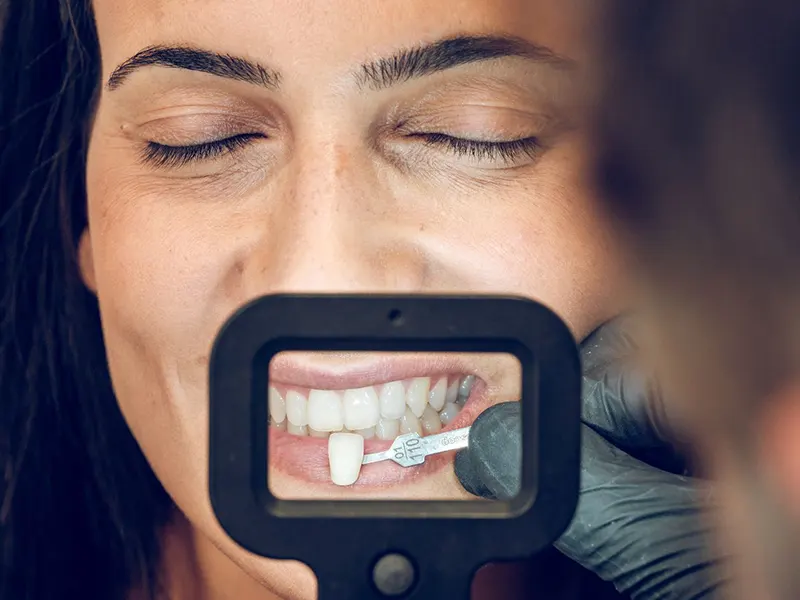
- Shade documentation: They record your current tooth shade using a shade guide (basically a color chart for teeth) to track progress.
- Protective measures: A rubber dam or protective gel goes on your gums and soft tissues to shield them from the whitening agent.
- Application: The whitening gel gets carefully applied to your teeth in a thin, even layer.
- Activation: Many systems use a special light or laser to activate the gel and speed up the process.
- Reapplication: The gel may be reapplied several times during your session, typically in 15-minute intervals.
- Final rinse: After treatment, your teeth get thoroughly rinsed and a fluoride treatment may be applied to reduce sensitivity.
Why Choose Professional Teeth Whitening Over DIY Methods?
Professional whitening uses higher concentrations of bleaching agents, which means more dramatic results in less time. Your dentist customizes the treatment to address your specific concerns and ensures even whitening across all visible teeth. Professional supervision also minimizes risks like gum irritation, enamel damage, and uneven results – problems that happen surprisingly often with drugstore products when people don’t follow instructions (or follow them too enthusiastically).
How Long Does a Professional Whitening Session Take?
A typical in-office whitening session takes 60-90 minutes from start to finish. One appointment can lighten your teeth by several shades. Some advanced systems like Zoom whitening deliver maximum results in just one visit. Other treatments recommend two or three sessions spaced one to two weeks apart for optimal results – especially if you’ve got stubborn stains.
Zoom Teeth Whitening: The Popular Professional Option
What Makes Zoom Whitening Different?
Zoom whitening is a light-activated system that’s become one of the most recognized names in professional teeth whitening (you’ve probably seen the ads). The procedure uses a hydrogen peroxide-based gel and a specialized LED light that work together to accelerate the whitening process. You get three or four 15-minute sessions during a single office visit, with the light activated during each interval to enhance the gel’s effectiveness. It’s faster than most other systems – which is exactly why dentists can charge more for it.
Is Zoom Whitening Worth the Investment?
Zoom whitening typically costs $500-$1,000, putting it at the higher end of professional whitening options. Whether it’s worth the money depends on your timeline and expectations. The treatment delivers immediate, dramatic results – you can expect teeth to lighten by up to eight shades in one appointment. You also get a take-home maintenance kit to preserve results for months. If you need your teeth white for an event next week, Zoom makes sense. If you’ve got time and want to save money, slower at-home treatments work too.
Who Is a Good Candidate for Zoom Treatment?
Zoom whitening works best for people with healthy teeth and gums who have yellowing or surface stains. You’re probably not an ideal candidate if you have existing dental work on your front teeth (crowns, veneers), severe tooth sensitivity, gum disease, or intrinsic stains from medications. Pregnant or nursing women should wait. Your dentist will evaluate your oral health and discuss whether Zoom or another whitening method better suits your situation – and your budget.
How Much Does Teeth Whitening Cost?
Teeth whitening costs vary significantly based on the treatment method, your location, and the dental practice you choose. Understanding the price range for different options helps you decide which approach fits your budget and timeline.
In-Office Professional Whitening Costs
Professional in-office whitening treatments typically range from $500-$1,000 per session. Premium systems like Zoom or laser whitening may cost more, sometimes reaching $1,500 in major cities like New York or Los Angeles. This higher price reflects the stronger bleaching agents used, the dentist’s expertise, and the immediate, dramatic results you get. Most people achieve their desired shade in one to three visits.
At-Home Professional Kit Pricing
Dentist-supplied at-home whitening kits cost $300-$600. These kits include custom-fitted trays made from impressions of your teeth and professional-grade whitening gel. While less expensive than in-office treatments, they still offer superior results compared to drugstore products because of the higher concentration of bleaching agents and the precision fit of custom trays. It’s the middle ground – better than over-the-counter but slower than in-office.
Over-the-Counter Products: Budget Options
Store-bought whitening products are the most affordable option, with prices ranging from $20-$100. These include whitening strips, gels, trays, and toothpastes. While these products can produce some improvement in tooth color, they contain lower concentrations of bleaching agents and typically require longer treatment periods to see results. The results are also less dramatic and shorter-lasting compared to professional treatments. You get what you pay for.
Does Dental Insurance Cover Teeth Whitening?
Most dental insurance plans classify teeth whitening as cosmetic and won’t cover it. Some dental discount plans or dental savings plans may offer reduced rates on whitening treatments. Check with your insurance provider to understand your specific coverage. Many dental offices offer financing options or payment plans to make professional whitening more accessible – because they know you’re not likely to drop $1,000 cash on whiter teeth.
Teeth Whitening Treatment Options: Finding What Works for You
Selecting the right whitening method depends on your budget, timeline, and desired results. Each approach has distinct advantages and limitations.
In-Office Professional Whitening
In-office whitening delivers the fastest and most dramatic results. The dentist applies a high-concentration bleaching gel to your teeth and may use a special light to enhance the whitening effect. This method makes sense if you need quick results for an upcoming event or want maximum whitening in minimum time. The controlled environment also ensures your gums and soft tissues stay protected throughout the procedure – which matters more than you’d think.
Dentist-Supplied At-Home Kits
Professional at-home kits provide a middle ground between in-office treatments and store-bought products. Your dentist creates custom trays that fit your teeth precisely, ensuring even coverage and minimizing gel contact with your gums. You wear the trays filled with whitening gel for a specified period each day – typically 30 minutes to several hours – over two to four weeks. This gradual approach can be gentler on sensitive teeth while still achieving professional-quality results. It just takes longer.
Over-the-Counter Products
Over-the-counter whitening products include strips, gels, rinses, and toothpastes available at pharmacies and retail stores. These products contain lower concentrations of bleaching agents and may take several weeks to produce noticeable results. While convenient and affordable, they can’t match the effectiveness of professional treatments. One-size-fits-all trays often fit poorly, leading to uneven whitening or gum irritation. Sometimes you end up with white front teeth and yellow molars because the trays didn’t reach the back properly.
Which Treatment Method Is Most Effective?
Professional in-office whitening consistently delivers the most effective results, lightening teeth by up to eight shades in a single session. Dentist-supervised at-home treatments rank second in effectiveness, producing three to five shades of improvement over several weeks. Over-the-counter products offer the least dramatic results, typically achieving one to two shades of whitening with consistent use. Your dentist can help you choose the method that best balances your goals, timeline, and budget.
Teeth Whitening Before and After: What Results Can You Expect?
How Many Shades Lighter Can Your Teeth Get?
Professional in-office whitening can lighten your teeth by three to eight shades on the standard dental shade guide. Most people achieve a five to six shade improvement. At-home professional kits typically produce three to five shades of lightening over the course of treatment. Individual results vary based on your teeth’s original color, the type and severity of staining, and how well you follow treatment instructions. Nobody’s getting chiclet-white teeth if they started with naturally darker enamel.
What Factors Affect Your Whitening Results?
Several factors influence how much your teeth will whiten and how long results will last:
- Starting shade: Yellower teeth typically respond better to whitening than gray or brown-toned teeth.
- Age: Younger patients often see more dramatic results because their enamel is less worn and their dentin is lighter.
- Type of staining: Extrinsic stains from coffee, tea, and tobacco respond better than intrinsic stains from medications or trauma.
- Lifestyle habits: If you keep drinking coffee and wine daily, your results won’t last as long. This should be obvious but apparently needs stating.
- Treatment adherence: Following your dentist’s instructions exactly produces better outcomes than inconsistent application or skipping days.
How Long Until You See Results?
In-office treatments deliver immediate results – you’ll see the difference as soon as the procedure is complete. Dentist-supervised at-home treatments typically show noticeable improvement within three to five days, with full results appearing after two to four weeks. Over-the-counter products require consistent daily use for two to four weeks before you notice significant changes in tooth color. Patience required.
Who Should Consider Professional Teeth Whitening?
Are You a Good Candidate for Whitening?
You’re likely a good candidate for professional teeth whitening if you have healthy teeth and gums, realistic expectations, and yellowing or surface stains. Adults with permanent teeth who maintain good oral hygiene typically achieve excellent results. Patients with mild to moderate tooth discoloration respond best to whitening treatments. Your natural tooth color also plays a role – people with naturally darker teeth may not achieve the same bright white shade as those who start with lighter teeth. Genetics matter.
When Should You Avoid Teeth Whitening?
Certain conditions make teeth whitening inadvisable or less effective. You should postpone whitening if you have untreated tooth decay, gum disease, exposed tooth roots, or worn enamel. Pregnant or nursing women should wait until after delivery and weaning. If you have numerous dental restorations on your front teeth, whitening may create an uneven appearance since crowns, veneers, and fillings don’t respond to bleaching agents. Patients with severe tooth sensitivity or certain allergies should discuss alternative options with their dentist.
What Are the Risks and Side Effects of Teeth Whitening?
Is Tooth Sensitivity Normal After Whitening?
Temporary tooth sensitivity is the most common side effect of teeth whitening, affecting up to 60% of patients. This sensitivity occurs because the bleaching agents temporarily increase the permeability of your enamel, allowing stimuli to reach the nerve inside your tooth more easily. You’ll feel brief, sharp pain when consuming hot, cold, or sweet foods and beverages. This discomfort usually subsides within a few days to a week after completing treatment. It’s annoying but not dangerous.
Can Whitening Damage Your Enamel?
Professional teeth whitening performed by a licensed dentist doesn’t damage your enamel when done correctly. Research shows that the bleaching agents used in professional treatments temporarily increase enamel porosity but don’t cause permanent structural changes. However, overuse of whitening products or improper application can lead to enamel erosion, increased sensitivity, and gum irritation. This is why professional supervision matters – dentists know when to stop.
How Can You Minimize Side Effects?
You can reduce the risk of sensitivity and other side effects by following these strategies:
- Use desensitizing toothpaste: Start using sensitivity toothpaste two weeks before your whitening treatment and continue afterward.
- Follow instructions precisely: Never leave whitening products on longer than directed or use them more frequently than recommended.
- Take breaks: If sensitivity develops during at-home treatment, skip a day or two before resuming.
- Avoid temperature extremes: Stay away from very hot or cold foods and beverages for a few days after treatment.
- Choose professional supervision: Working with a dentist ensures proper application and reduces the risk of complications.
Important Limitations: What Teeth Whitening Cannot Do
Will Whitening Work on Crowns, Veneers, or Fillings?
Teeth whitening only affects natural tooth enamel – it won’t change the color of dental restorations. Crowns, veneers, bridges, and composite fillings don’t respond to bleaching agents. If you have visible restorations on your front teeth and undergo whitening treatment, you may end up with mismatched shades where your natural teeth appear lighter than your dental work. This creates an uneven, unnatural appearance that may require replacement of the restorations to match your newly whitened teeth. Not ideal.
What Should You Do If You Have Dental Restorations?
If you have existing dental work on your visible teeth, discuss your options with your dentist before beginning whitening treatment. In some cases, your dentist may recommend whitening your natural teeth first, then replacing the restorations to match your new shade. Alternatively, if you’re planning to get dental work done, complete your whitening treatment first so your dentist can match the new restorations to your whitened teeth. Dental implants and other restorations require careful shade matching for optimal aesthetic results.
How Long Does Teeth Whitening Last?
What Factors Affect Longevity of Results?
The longevity of your whitening results depends on several factors related to your lifestyle and oral care habits. Professional in-office whitening typically lasts six months to two years, while at-home treatments may last three months to one year. Your diet plays a significant role – frequent consumption of coffee, tea, red wine, or dark-colored foods will cause your teeth to restain more quickly. Tobacco use, whether smoking or chewing, rapidly diminishes whitening results. Your oral hygiene practices also matter, as regular brushing and flossing help prevent new stains from developing.
How Can You Maintain Your White Smile?
Maintaining your whitening results requires ongoing care and attention to your habits. Brush your teeth at least twice daily with a whitening toothpaste to remove surface stains before they set. Rinse your mouth with water immediately after consuming staining foods or beverages. Use a straw when drinking coffee, tea, or red wine to minimize contact with your front teeth. Schedule regular dental cleanings every six months to remove plaque and surface stains that daily brushing can’t eliminate. Avoid or limit tobacco products, which cause rapid and severe staining. If you’re not willing to change your coffee habit, don’t expect results to last two years.
When Should You Consider Touch-Up Treatments?
Most patients benefit from touch-up whitening treatments every six to twelve months to maintain their results. The timing depends on your lifestyle and how quickly your teeth restain. If you notice your teeth returning to their pre-treatment shade, schedule a touch-up appointment with your dentist. Many dental practices offer maintenance programs or discounted touch-up sessions for existing whitening patients. At-home maintenance kits provided by your dentist allow you to perform touch-ups as needed between professional treatments.
Finding the Best Teeth Whitening Near You
What Should You Look for in a Dental Whitening Provider?
Selecting the right dental provider for your whitening treatment ensures safe, effective results. Look for a licensed dentist with specific experience in cosmetic dentistry and teeth whitening procedures. Check online reviews and testimonials from previous patients to gauge satisfaction levels. Ask about the whitening systems the practice uses and whether they offer multiple treatment options. A reputable provider will conduct a thorough examination before recommending treatment and will discuss realistic expectations for your specific situation – not promise you’ll look like a game show host.
Questions to Ask Before Your Appointment
Before committing to a whitening treatment, ask your potential provider these important questions:
- What whitening system do you use and why?
- How many shades lighter can I realistically expect my teeth to become?
- What are the potential side effects and how will you manage them?
- How long will the results last with proper maintenance?
- What’s included in the treatment cost?
- Do you offer touch-up treatments or maintenance programs?
- What happens if I’m not satisfied with the results?
Best Teeth Whitening Dental Clinics in New York
What Makes New York Dental Practices Stand Out?
New York dental practices offer access to the latest whitening technologies and highly trained cosmetic dentists who stay current with industry advances. The competitive market in New York City drives practices to provide exceptional service and results. Many Manhattan practices specialize in cosmetic dentistry and maintain state-of-the-art facilities with advanced whitening systems. Expert dental practices in NYC often combine teeth whitening with comprehensive cosmetic services for complete smile makeovers. The downside? You’re paying Manhattan prices.
Average Costs in New York City
Professional teeth whitening in New York City typically costs $600-$1,500 for in-office treatments, slightly higher than the national average due to higher operating expenses and cost of living. Dentist-supervised at-home kits range from $400-$700. Despite the higher prices, many patients choose New York providers for their expertise and access to premium whitening systems. Some practices offer financing options or package deals that include maintenance treatments at reduced rates.
Best Teeth Whitening Dental Clinics in Los Angeles
Why Choose Los Angeles for Teeth Whitening?
Los Angeles has earned a reputation as a hub for cosmetic dentistry, with many practices catering to entertainment industry professionals who need camera-ready smiles. The concentration of cosmetic dentists in the area means competitive pricing and access to cutting-edge whitening technologies. LA dentists often have extensive experience creating natural-looking, dramatic results that photograph well and withstand the scrutiny of high-definition cameras. They know what works on camera – which translates to knowing what works in person.
What to Expect from LA Dental Practices
Los Angeles dental practices typically offer a range of whitening options, from quick one-hour treatments to comprehensive smile design services. Many practices emphasize a luxury experience with comfortable waiting areas, same-day appointments, and personalized treatment plans. Costs in Los Angeles range from $500-$1,200 for in-office whitening, comparable to other major metropolitan areas. The focus on aesthetics means LA dentists often combine whitening with other cosmetic procedures like veneers or bonding for comprehensive smile transformations.
Best Teeth Whitening Dental Clinics in Miami
Finding Quality Whitening Services in Miami
Miami dental practices serve a diverse patient population with varying cosmetic needs and budgets. The city’s focus on appearance and beauty makes teeth whitening a popular service, with many practices specializing in cosmetic procedures. Miami dentists often offer bilingual services and flexible scheduling to accommodate both local residents and visitors seeking dental tourism options. The tropical climate and outdoor lifestyle in South Florida create high demand for bright, confident smiles.
Cost Considerations in South Florida
Professional teeth whitening in Miami typically costs $450-$1,000 for in-office treatments, slightly lower than major cities like New York or Los Angeles. The competitive market and lower operating costs contribute to more affordable pricing while maintaining high-quality results. Many Miami practices offer package deals or seasonal promotions, particularly during tourist season. At-home professional kits range from $300-$600, making Miami an attractive option for patients seeking quality whitening at reasonable prices.
Preparing for Your Teeth Whitening Appointment
What Should You Do Before Treatment?
Proper preparation helps ensure optimal whitening results and minimizes potential side effects. Schedule a comprehensive dental examination two to four weeks before your whitening appointment to address any underlying issues. Your dentist will check for cavities, gum disease, and other problems that could interfere with treatment. Complete any necessary dental work, such as fillings or dental bridges, before whitening to avoid complications and ensure even results.
Should You Get a Dental Cleaning First?
Professional dental cleaning before whitening treatment significantly improves your results. The cleaning removes plaque, tartar, and surface stains that can block the whitening agent from penetrating your enamel evenly. Schedule your cleaning appointment one to two weeks before your whitening treatment to allow your gums time to heal from any irritation caused by the cleaning process. Clean teeth absorb the whitening gel more effectively, leading to more dramatic and uniform results across all your teeth. It’s worth the extra appointment.
Aftercare: Protecting Your Investment
What Foods and Drinks Should You Avoid?
The first 48 hours after whitening treatment are critical for maintaining your results, as your enamel remains more porous and susceptible to staining during this period. Avoid dark-colored foods and beverages including coffee, tea, red wine, cola, berries, tomato sauce, soy sauce, and balsamic vinegar. Stay away from highly acidic foods like citrus fruits and pickles, which can increase tooth sensitivity. Skip tobacco products entirely, as they cause rapid and severe staining. After the initial 48-hour period, you can gradually reintroduce these items but should continue to minimize consumption for best results. Two days without coffee is survivable.
How Should You Adjust Your Oral Hygiene Routine?
Maintaining excellent oral hygiene after whitening helps preserve your results and prevent new stains from developing. Brush your teeth at least twice daily, preferably after every meal, using a soft-bristled toothbrush and whitening toothpaste. Wait at least 30 minutes after eating before brushing to avoid damaging temporarily softened enamel. Floss daily to remove plaque and food particles between teeth where stains can develop. Consider using a whitening mouthwash as part of your routine. Replace your toothbrush every three months to ensure effective cleaning. Schedule regular dental checkups and cleanings every six months to maintain your bright smile.
Take the Next Step Toward a Brighter Smile
A whiter, brighter smile is achievable with professional teeth whitening – assuming you’re willing to invest in it and maintain the results. Professional treatment delivers outcomes that drugstore products can’t match, with proper supervision ensuring both safety and effectiveness. Whether you choose in-office whitening for immediate results or a dentist-supervised at-home treatment for gradual improvement, professional guidance helps you achieve the smile you want without the trial-and-error of DIY methods.
Your journey to a brighter smile starts with finding the right dental provider near you. Research local practices, read reviews (actual patient reviews, not just the glowing testimonials on their website), and schedule consultations to find a dentist who understands your goals and can recommend the best treatment for your specific needs. Remember that maintaining your results requires ongoing care and attention to your lifestyle habits – but the confidence boost from a beautiful white smile makes the effort worthwhile.
Ready to stop hiding your smile in photos? Explore dental clinics near you and schedule a consultation today. Your teeth won’t whiten themselves.
FAQ on Teeth Whitening Near Me
| Question | Answer |
|---|---|
| How long does professional teeth whitening take? | In-office whitening takes 60-90 minutes for a complete treatment. At-home professional kits require daily application for 2-4 weeks to achieve full results. |
| Does teeth whitening hurt? | Most patients experience little to no pain during treatment. Some temporary tooth sensitivity may occur afterward, typically lasting a few days to a week. It’s annoying but manageable. |
| Can I whiten my teeth if I have sensitive teeth? | Yes, but inform your dentist about your sensitivity. They can use lower concentration products, shorter application times, and desensitizing agents to minimize discomfort. |
| Why are my teeth not getting whiter? | Gray or brown stains, intrinsic discoloration from medications, or naturally darker tooth color may limit whitening effectiveness. Some stains require alternative treatments like veneers. |
| Is professional whitening better than over-the-counter products? | Professional whitening delivers faster, more dramatic results due to higher concentration bleaching agents and custom application. Results typically last longer with professional treatment. You get what you pay for. |