
How Much Does Teeth Whitening Cost? Complete Guide to Prices, Methods, and Results
Let’s talk about teeth whitening cost – because nobody wants to show up for what they think is a routine appointment and walk out $800 poorer. The price range for whitening your teeth is actually all over the map, from the $5 tube of whitening toothpaste at your local drugstore to professional treatments that can hit four figures. What you pay depends mostly on which route you take and what kind of results you’re after. Some people swear by those drugstore strips (and honestly, they can work), while others need the heavy-duty professional treatment to tackle years of coffee stains. Here’s what you actually need to know about costs, what works, and whether that premium price tag is worth it for your situation.
- How much does professional teeth whitening cost? In-office treatments typically range from $300 to $1,000, while dentist-provided home kits cost $100 to $600.
- Do over-the-counter whitening products work? Yes, but results are more gradual and less dramatic than professional treatments, with costs ranging from $5 to $300.
- How long does teeth whitening last? Professional whitening can last 6 months to 3 years, depending on your oral hygiene and lifestyle habits.
- Is teeth whitening safe? Yes, when performed correctly, though temporary sensitivity and gum irritation are common side effects.
- Does dental insurance cover whitening? Most insurance plans do not cover teeth whitening because it’s considered a cosmetic procedure.
- What factors affect whitening costs? Location, dentist experience, severity of staining, and the technology used all influence the final price.
Understanding Teeth Whitening Costs: What You Need to Know
Teeth whitening has become wildly popular – millions of Americans are looking for brighter smiles every year. The cost depends mostly on your chosen method and where you get it done. Professional treatments from dentists offer the most dramatic results and they last the longest, but you’ll pay considerably more. At-home solutions give you budget-friendly options with varying degrees of success (some work better than others, frankly).
Here’s something important: most whitening products use either hydrogen peroxide or carbamide peroxide as their active ingredients. The American Dental Association points out that the concentration of these ingredients, how you apply them, and how long you use them all affect both effectiveness and cost. Understanding these variables helps you pick the right option without overspending on features you don’t actually need.
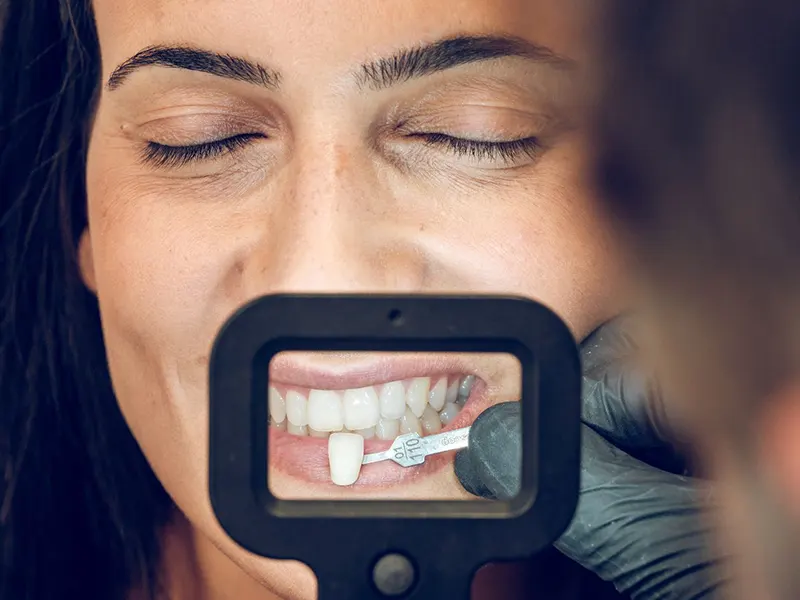
How Much Is Professional Teeth Whitening?
In-Office Professional Whitening Treatments
Professional in-office whitening is the premium option, plain and simple. You’re looking at $300 to $1,000 per session, with most people paying somewhere around $500 to $650. The procedure involves applying a high-concentration bleaching gel (usually 25-40% hydrogen peroxide) directly to your teeth while your dentist protects your gums with a barrier material.
Your appointment usually takes 60 to 90 minutes, and during that time your dentist might use special lights or lasers to activate the gel and speed things up. Many patients see their teeth get several shades lighter in just one visit. Here’s why people choose this route despite the higher price:
- You get immediate results – walk in with yellow teeth, walk out noticeably whiter
- Professional supervision means fewer mishaps and side effects
- Treatment gets customized based on your specific tooth color
- Your gums and existing dental work stay protected throughout
- The bleaching agents are significantly stronger than what you can buy at CVS
Dentist-Provided Take-Home Kits
Dentist-provided take-home kits offer a middle ground – better than drugstore products but more affordable than in-office treatments. These typically cost between $100 and $600, depending on your dentist and the system they use. Your dentist makes custom-fitted trays based on impressions of your teeth, which means the whitening gel contacts your tooth surfaces evenly (unlike those one-size-fits-all strips that never quite fit right).
You’ll wear these trays filled with professional-grade bleaching gel (typically 10-20% carbamide peroxide) for a set amount of time each day, usually for one to two weeks. This method gives you professional-level results while you’re binge-watching your favorite show at home, and it costs quite a bit less than sitting in the dentist’s chair.
What’s Included in Professional Whitening Services?
When you pay for professional teeth whitening, you get more than just the actual whitening treatment. Most services include a thorough consultation where your dentist examines your teeth, talks about your goals, and figures out whether whitening is even appropriate for you right now. This initial assessment sometimes reveals underlying issues – cavities, gum disease, worn enamel – that need addressing before whitening can happen safely. Learn more about professional teeth cleaning services that often go hand-in-hand with whitening treatments.
Over-the-Counter Teeth Whitening: Cost vs. Results
Whitening Strips and Their Effectiveness
Whitening strips are probably the most popular at-home option, and they’re pretty affordable – typically $20 to $60 for a two-week supply. These thin, flexible strips come coated with a peroxide-based whitening gel, and you stick them directly on your teeth for 30 minutes to an hour daily. Major brands like Crest 3D White can lighten teeth by one to two shades over several weeks if you use them consistently.
How well whitening strips work varies based on the concentration of the active ingredient and how well the strips actually conform to your teeth. Some limitations worth noting: they have trouble reaching your back teeth, you might get uneven whitening if the strips don’t stick properly, and the results just aren’t as dramatic as professional treatments (but hey, they’re a fraction of the cost).
Whitening Toothpaste and Gels
Whitening toothpaste is the most economical route – you’re spending $5 to $15 per tube. These products work mainly through mild abrasives that scrub away surface stains rather than actually changing your tooth color. While whitening toothpaste can help maintain results from professional treatments and remove minor staining from your morning coffee, it’s not going to give you a dramatically whiter smile on its own.
Whitening gels, which run $10 to $50, get applied directly to teeth using a small brush. These contain low concentrations of hydrogen peroxide and require consistent application over several weeks before you’ll see noticeable changes. The gradual approach means slower improvements but also fewer side effects like sensitivity.
LED Whitening Kits for Home Use
LED whitening kits have gotten popular as at-home alternatives to professional treatments, with prices ranging from $50 to $300. These kits include whitening gel and an LED light device that supposedly speeds up the whitening process. You apply the gel using the provided trays or strips, then hold the light against your teeth for however long the instructions say, usually 10 to 30 minutes per session.
Here’s the thing though – while manufacturers claim the LED light enhances results, the scientific evidence supporting these lights is pretty limited. The MouthHealthy resource from the American Dental Association suggests that any whitening you get comes mainly from the peroxide gel rather than the fancy light itself. (So you might be paying extra for what’s essentially a placebo effect.)
Do Teeth Whitening Strips Work?
How Effective Are Whitening Strips Compared to Professional Treatments?
Whitening strips do work, but they fall short of professional treatments in several ways. The peroxide concentration in over-the-counter strips typically ranges from 5% to 14%, which is significantly lower than the 25% to 40% dentists use in their offices. This means strips require longer treatment periods and produce more subtle results – generally lightening teeth by one to three shades compared to the five to eight shades possible with professional treatments.
Clinical studies show that consistent use of whitening strips over two to four weeks can produce noticeable improvements. However, results depend heavily on your original tooth shade, what type of staining you have, and how diligently you follow the instructions. Surface stains from coffee, tea, or smoking respond better to whitening strips than deeper, intrinsic discoloration from things like medication or fluorosis.
What Are the Limitations of Strips?
Several factors limit how effective whitening strips can be compared to professional options. The one-size-fits-all design means strips might not conform perfectly to your unique tooth surfaces, which leads to uneven whitening or spots that get missed entirely. Your back teeth often get minimal contact with the whitening gel, resulting in a noticeable difference between your front and back tooth shades. Also, strips can’t whiten existing dental work like crowns, veneers, or fillings – those will become more obvious as your natural teeth lighten.
- Limited reach to all tooth surfaces, especially those back molars
- Lower peroxide concentrations mean slower, less dramatic results
- Zero customization for your individual tooth anatomy or staining patterns
- Strips may slip or move during wear, which reduces contact time
- Can’t address underlying dental issues affecting tooth color
Best Practices for Using Whitening Strips
To get the most out of whitening strips, apply them to clean, dry teeth and press firmly to get good contact with all tooth surfaces. Skip eating or drinking for at least 30 minutes after removing the strips – this lets the whitening process continue working. Consistency matters more than you’d think. Missing applications extends your treatment timeline and reduces your overall results. If you’re experiencing significant sensitivity (and some people really do), consider using the strips every other day instead of daily, or switch to a product specifically formulated for sensitive teeth.
Complete Cost Breakdown: Comparing All Teeth Whitening Methods
Professional In-Office Whitening: $300-$1,000
The premium price of in-office whitening reflects the immediate, dramatic results and professional oversight. This option makes the most sense for people who need fast results or those dealing with stubborn staining that hasn’t responded to other methods. Getting married next month? Important job interview coming up? Or maybe you just want the most effective treatment available and don’t mind paying for it – the higher investment might be worth it for your situation.
Dentist-Provided Home Kits: $100-$600
Custom take-home kits from your dentist offer excellent value if you’re willing to wait one to two weeks for results. The custom trays ensure even application and better results than over-the-counter alternatives, while the professional-strength gel provides more effective whitening than what you’d get at the drugstore. This option suits people who want professional results at a more reasonable price and don’t mind a slightly longer timeline.
Over-the-Counter Products: $5-$300
Drugstore whitening products give you the most budget-friendly entry point. While results take longer and look more subtle, these products can effectively remove surface stains and help maintain results from professional treatments. This works well for people with minor discoloration, those on tight budgets, or anyone wanting to test whitening before committing to pricier treatments.
What Factors Affect the Cost of Teeth Whitening?
Does Your Location Impact Whitening Prices?
Where you live significantly impacts teeth whitening costs – treatments in major cities typically cost 20% to 50% more than in smaller cities or rural areas. A professional whitening session in New York City or San Francisco might run you $800 to $1,000, while the exact same treatment in a mid-sized Midwestern city could cost $400 to $600. These differences reflect variations in overhead costs, competition among practices, and local economic conditions. For those in urban areas looking for quality dental care, check out options at Expert Dental NYC.
How Does Dentist Experience Influence Cost?
Dentists with extensive cosmetic dentistry experience or specialized training in aesthetic procedures often charge premium rates for whitening services. A general dentist might charge $400 for in-office whitening, while a cosmetic dentist in the same area could charge $700 or more for basically the same procedure. The higher fee reflects the dentist’s expertise, reputation, and quality of materials and equipment. That said, more expensive doesn’t automatically mean better results – plenty of general dentists achieve excellent whitening outcomes at more moderate prices.
Does the Severity of Staining Change the Price?
The extent and type of tooth discoloration can affect treatment costs, particularly if you need multiple sessions to get the results you want. Surface stains from coffee, tea, or tobacco typically respond well to standard whitening treatments. However, deeper intrinsic stains from medications like tetracycline, fluorosis, or tooth trauma may require additional sessions or alternative approaches like veneers, which significantly increases costs. Your dentist will assess your specific situation during the consultation to give you an accurate cost estimate.
What Role Does Technology Play in Pricing?
Dental practices that invest in advanced whitening systems and technology often pass these costs along to patients through higher treatment fees. Laser-activated whitening systems, for example, typically cost more than traditional light-activated methods, though the speed and effectiveness might justify the premium (or might not – depends on your priorities). Similarly, practices using the latest formulations of whitening gels or offering luxury amenities during treatment may charge higher rates than those using standard materials and basic office settings.
How Long Does Teeth Whitening Last?
Professional Whitening Longevity: 6 Months to 3 Years
Professional teeth whitening typically maintains noticeable results for six months to three years, with most patients seeing effects last around one to two years. How long your results last depends heavily on your lifestyle habits and oral hygiene routine. People who regularly drink staining beverages like coffee, tea, or red wine will see their whitening fade faster than those who limit these substances. Smoking or using tobacco products also significantly shortens how long whitening results last.
How Long Do At-Home Results Last?
Over-the-counter whitening products generally produce shorter-lasting results than professional treatments – typically maintaining noticeable effects for three to six months. Because these products use lower concentrations of bleaching agents and produce more subtle changes in tooth color, the gradual return to your original shade appears less dramatic. Regular touch-ups with whitening strips or toothpaste every few months can help extend results and keep your smile brighter.
What Factors Affect How Long Whitening Lasts?
Several factors influence how long your whitening results stick around. Your natural tooth color and the degree of whitening achieved initially play big roles – teeth whitened from a darker starting shade may show more noticeable fading over time. The porosity of your tooth enamel also matters, since more porous enamel absorbs staining substances more readily. Additionally, certain medications can cause teeth to darken, potentially counteracting your whitening effects (which is frustrating, but it happens).
How Can You Extend Your Whitening Results?
Maintaining your newly whitened smile requires some consistent effort and smart choices. Brush your teeth at least twice daily with fluoride toothpaste and floss regularly to remove plaque and prevent staining. When you’re drinking dark beverages, use a straw to minimize contact with your teeth, and rinse your mouth with water afterward. Consider using a whitening toothpaste once or twice weekly to help remove surface stains before they set in. Regular professional cleanings every six months also help maintain your results by removing accumulated surface stains.
- Cut back on coffee, tea, red wine, and dark-colored foods
- Quit smoking or using tobacco products (easier said than done, but your teeth will thank you)
- Use a straw when drinking staining beverages
- Keep up excellent oral hygiene with regular brushing and flossing
- Schedule periodic touch-up treatments as your dentist recommends
- Attend regular dental cleanings to remove surface stains
Is Teeth Whitening Safe?
What Are the Potential Side Effects?
Teeth whitening is generally safe when done correctly, but some temporary side effects commonly pop up. Tooth sensitivity ranks as the most frequent complaint – many patients experience increased sensitivity to hot and cold temperatures during and shortly after treatment. This sensitivity typically resolves within a few days to a week after you complete the whitening process. Gum irritation can also happen if whitening gel contacts soft tissues, causing temporary redness, soreness, or a burning sensation.
Some people experience what’s called “zingers” – brief, sharp sensations in their teeth during whitening. While uncomfortable (and honestly kind of alarming when they happen), these sensations are temporary and not harmful. Using desensitizing toothpaste before, during, and after whitening can help minimize these effects. The WebMD guide to teeth whitening notes that professional supervision significantly reduces the risk and severity of side effects.
Who Should Avoid Teeth Whitening?
Certain people should postpone or skip teeth whitening treatments altogether. Pregnant or nursing women should delay whitening as a precaution, even though no solid evidence suggests harm to the fetus or infant. People with extensive tooth decay, gum disease, or worn enamel need to address these issues before pursuing whitening to avoid making existing problems worse. Children under 16 shouldn’t undergo whitening because their tooth pulp chambers remain enlarged, which increases the risk of sensitivity and potential nerve damage.
If you have existing dental restorations like crowns, veneers, or bonding in visible areas, understand that whitening only affects natural tooth structure. This can result in mismatched colors between natural teeth and restorations, potentially requiring replacement of the dental work to maintain a uniform appearance (which gets expensive fast). Anyone with allergies to peroxide or other whitening ingredients should also avoid these treatments.
How to Minimize Sensitivity and Risks
Taking preventive measures can significantly reduce whitening-related sensitivity and other side effects. Start by using a desensitizing toothpaste containing potassium nitrate for two weeks before beginning treatment. During the whitening process, follow the product instructions precisely and don’t exceed recommended wear times for trays or strips (more is not better here – it just increases side effects). If sensitivity develops, reduce how often you’re applying the product or switch to a lower concentration. Avoiding extremely hot or cold foods and beverages during and right after treatment also helps minimize discomfort.
Is Professional Whitening Safer Than DIY Methods?
Professional whitening under dental supervision offers several safety advantages over at-home DIY methods. Your dentist can identify and treat any underlying dental problems before whitening, making sure your teeth and gums are healthy enough for the procedure. During treatment, dentists use barriers to protect your gums and soft tissues from the high-concentration bleaching gel. They can also adjust the treatment if you experience sensitivity or other issues, and provide professional-grade desensitizing agents if needed.
Best Teeth Whitening Options for Your Budget
What’s the Best Method for Fast Results?
If speed is your main concern, professional in-office whitening delivers the fastest results – you’ll see noticeable improvements immediately after a single 60 to 90-minute appointment. This option makes the most sense for people preparing for weddings, job interviews, or other important events where time is limited. While the higher cost might seem daunting, the convenience and immediate results often justify the expense for time-sensitive situations.
Most Cost-Effective Whitening Solutions
For budget-conscious consumers seeking good results without professional prices, dentist-provided take-home kits offer the best balance of effectiveness and affordability. These kits cost significantly less than in-office treatments while providing better results than over-the-counter products, thanks to custom trays and professional-strength gel. If you’re patient enough to wait one to two weeks for results, this option delivers excellent value for your investment.
Balancing Cost, Safety, and Effectiveness
The ideal whitening method depends on your individual circumstances, priorities, and budget. Consider starting with over-the-counter products if you have minor staining and want to test your response to whitening before investing in professional treatment. If you need faster or more dramatic results, or if you’re dealing with moderate to severe discoloration, professional options become more appropriate despite higher costs. Talking with your dentist provides personalized recommendations based on your specific tooth condition and whitening goals. Discover comprehensive dental services including whitening options at specialized dental practices.
Does Dental Insurance Cover Teeth Whitening?
Why Is Whitening Considered Cosmetic?
Most dental insurance plans classify teeth whitening as a cosmetic procedure rather than a medical necessity, which means they typically won’t cover the cost. Insurance companies draw a line between treatments necessary for oral health and those performed purely for looks. Since whitening doesn’t treat disease, restore function, or prevent future dental problems, it falls into the cosmetic category alongside procedures like veneers and adult orthodontics.
Are There Any Exceptions to Coverage?
In rare cases, insurance may cover whitening if discoloration results from medication side effects, trauma, or developmental conditions that significantly impact your quality of life or psychological well-being. However, these situations require thorough documentation and approval from the insurance company before treatment begins (and let’s be honest, getting that approval can be an uphill battle). Some dental discount plans or wellness programs may offer reduced rates on whitening services, though these aren’t the same as traditional insurance coverage. Always check with your specific insurance provider to understand your coverage and any potential exceptions.
Alternative Payment Options and Financing
Many dental practices offer payment plans or financing options to make professional whitening more accessible. Third-party healthcare financing companies like CareCredit provide interest-free payment plans if you pay the balance within a specified promotional period, typically 6 to 12 months. Some practices also offer in-house payment plans that let you spread the cost over several months. Additionally, health savings accounts (HSAs) or flexible spending accounts (FSAs) may cover teeth whitening expenses, providing a tax-advantaged way to pay for treatment.
Hidden Costs: What Else Should You Budget For?
Pre-Whitening Dental Cleaning
Professional teeth whitening works most effectively on clean tooth surfaces, which means you’ll likely need a thorough dental cleaning before starting treatment. This cleaning removes plaque, tartar, and surface stains that could interfere with the whitening process, ensuring even results across all tooth surfaces. Professional cleanings typically cost $75 to $200 without insurance, adding to your total whitening investment. However, this step is essential for achieving optimal results and is generally recommended before any whitening procedure.
Treatment for Gum Issues
Your dentist may discover underlying dental problems during your whitening consultation that require treatment before whitening can safely proceed. Cavities need filling to prevent the bleaching gel from reaching sensitive inner tooth structures, while gum disease requires treatment to ensure healthy gum tissue that can withstand the whitening process. These additional treatments add to your overall costs but are necessary for safe, effective whitening and long-term oral health (skipping them is a bad idea).
Maintenance and Touch-Up Costs
Maintaining your whitening results requires ongoing investment in touch-up treatments and products. Most dentists recommend periodic touch-ups every 6 to 12 months to maintain optimal brightness, which may involve purchasing additional whitening gel for your custom trays (typically $50 to $100) or scheduling occasional in-office treatments. You might also invest in whitening toothpaste or strips for maintenance between professional treatments, adding $5 to $20 per month to your whitening budget.
Making the Right Choice for Your Smile
Achieving a brighter, more confident smile through teeth whitening is within reach for most people, regardless of budget. Whether you choose professional in-office treatment for immediate, dramatic results or opt for more affordable at-home options that require patience, understanding the costs and benefits of each method helps you make the best decision for your needs. Remember that the lowest price doesn’t always deliver the best value – consider factors like safety, effectiveness, and longevity when evaluating your options.
Your smile is an investment in your confidence and self-image. Taking the time to research different whitening methods, consulting with dental professionals, and selecting the approach that aligns with your budget and goals will help you achieve the bright, beautiful smile you’re after. Ready to explore your teeth whitening options with professional guidance? Visit DentistWithSmile.com to discover personalized recommendations and connect with experienced dental professionals who can help you achieve your whitening goals safely and effectively.
FAQ on Teeth Whitening Cost
| Question | Answer |
|---|---|
| How much does professional teeth whitening cost at a dentist’s office? | Professional in-office teeth whitening typically runs between $300 and $1,000 per session, with most patients paying around $500 to $650. This price includes the consultation, the actual whitening treatment using high-concentration bleaching gel, and any necessary protective measures for your gums. The cost varies based on where you live, the dentist’s experience level, and which specific whitening system they use. |
| Are whitening strips as effective as professional whitening? | Whitening strips can lighten teeth by one to three shades over several weeks, but they’re definitely less effective than professional treatments, which can lighten teeth by five to eight shades in a single session. Strips use lower concentrations of peroxide (5-14% compared to 25-40% in professional treatments) and may not reach all tooth surfaces evenly. They work best for minor surface stains rather than deeper discoloration. |
| How long do teeth whitening results typically last? | Professional whitening results usually last between 6 months and 3 years, with most people maintaining noticeable effects for 1 to 2 years. Over-the-counter products generally last 3 to 6 months. How long your results last depends on your oral hygiene habits, how much staining food and beverages you consume (coffee, tea, wine), whether you smoke, and the natural porosity of your tooth enamel. Regular touch-ups can extend your results quite a bit. |
| What are the most common side effects of teeth whitening? | The most common side effects are temporary tooth sensitivity and gum irritation. Sensitivity to hot and cold temperatures typically happens during and shortly after treatment, usually resolving within a few days to a week. Gum irritation occurs when whitening gel contacts soft tissues, causing redness or soreness. Using desensitizing toothpaste and following product instructions carefully can minimize these effects considerably. |
| Does dental insurance cover teeth whitening procedures? | Most dental insurance plans don’t cover teeth whitening because it’s classified as a cosmetic procedure rather than a medical necessity. However, some plans may cover whitening in rare cases where discoloration results from medication, trauma, or developmental conditions that significantly impact quality of life. Check with your specific insurance provider for coverage details, and ask your dentist about payment plans or financing options if you need them. |
| What’s the cheapest effective way to whiten teeth? | Whitening strips represent the most cost-effective option for noticeable results, typically costing $20 to $60 for a two-week supply. While they take longer to work than professional treatments and produce more subtle results, consistent use can lighten teeth by one to three shades. For the best balance of cost and effectiveness though, dentist-provided take-home kits ($100-$600) offer professional-strength results at a fraction of in-office treatment costs. |
| Can you whiten teeth if you have veneers or crowns? | Whitening treatments only affect natural tooth enamel and won’t change the color of dental restorations like veneers, crowns, bonding, or fillings. If you whiten your natural teeth, existing restorations may become noticeably different in color, potentially requiring replacement to match your newly whitened teeth (which can get pricey). Consult with your dentist before whitening if you have visible dental work to discuss your options and potential costs. |
| How often should you get touch-up whitening treatments? | Most dentists recommend touch-up treatments every 6 to 12 months to maintain optimal brightness, though the exact frequency depends on your lifestyle habits and the original whitening method you used. People who regularly consume staining beverages or use tobacco products may need more frequent touch-ups. Using whitening toothpaste weekly and avoiding staining substances can extend the time between professional touch-up treatments. |